
The General Electric data center situated in Bihar, India, features a raised floor configuration with a total heat load capacity of 65 kilowatts. Cooling is facilitated by two close control air conditioning units (CCU). This project is being executed on a turnkey basis by Shapoorji and Pallonji, one of India's leading EPC companies.
In this data center project, Computational Fluid Dynamics (CFD) analysis plays a crucial role in examining airflow patterns and temperature distributions, allowing for the identification of thermal hot spots during the design phase. The insights gained from CFD analysis empower thermal designers to make informed decisions, thereby mitigating uncertainties that could impact the electronic equipment housed in the racks. Our CFD analysis has helped clients optimize their air-cooling systems, leading to a more efficient, safer, and effective cooling solution for the data center.

In this data center project, Computational Fluid Dynamics (CFD) analysis played a crucial role in evaluating airflow patterns, air velocity distribution, and temperature variations throughout the facility. The analysis helped identify potential thermal hotspots, areas of inadequate cooling, and possible airflow recirculation during the design phase. By visualizing the movement of cooling air around the server racks and assessing the overall thermal performance, CFD provided valuable insights into the effectiveness of the proposed cooling arrangement. These insights enabled thermal designers to make informed decisions regarding the placement and capacity of cooling units, airflow distribution, and rack configuration, reducing design uncertainties and minimizing the risk of overheating that could affect sensitive electronic equipment. The CFD analysis also supported the evaluation of cooling system performance and helped identify opportunities to improve cooling uniformity and operational reliability. Ultimately, the study contributed to the development of a more efficient, reliable, and effective air-cooling solution, supporting optimal thermal conditions and the safe operation of the data center.
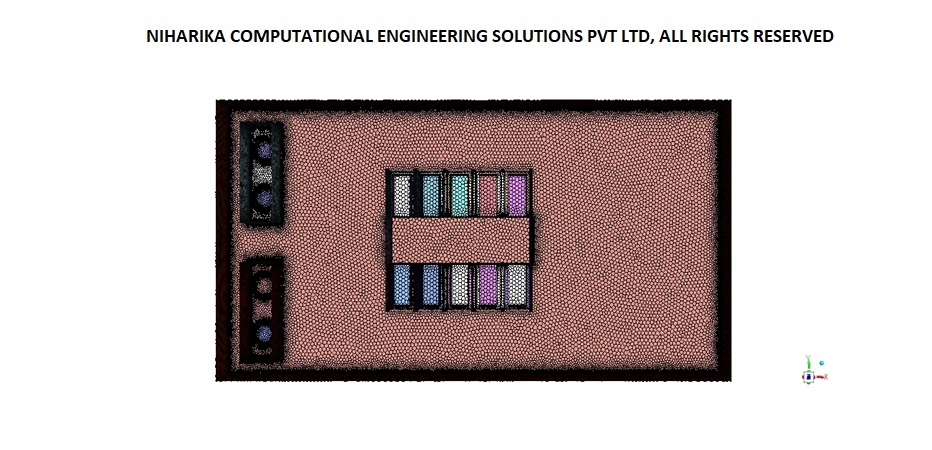
The CAD model was streamlined and simplified to meet the requirements of the CFD analysis while retaining the essential geometric features that influence airflow and heat transfer within the data center. Unnecessary details were removed to reduce computational complexity and improve simulation efficiency without compromising the accuracy of the results. The computational domain was then discretized using a poly-hexcore mesh, designed to achieve a balance between computational efficiency and solution accuracy while adhering to established mesh quality criteria and CFD best practices. Additionally, localized mesh refinement and finer layers were incorporated in regions with steep velocity and temperature gradients to capture the flow characteristics and thermal variations more accurately. This optimized meshing approach helped improve the resolution of critical flow features and supported reliable predictions of airflow distribution and temperature patterns throughout the data center.
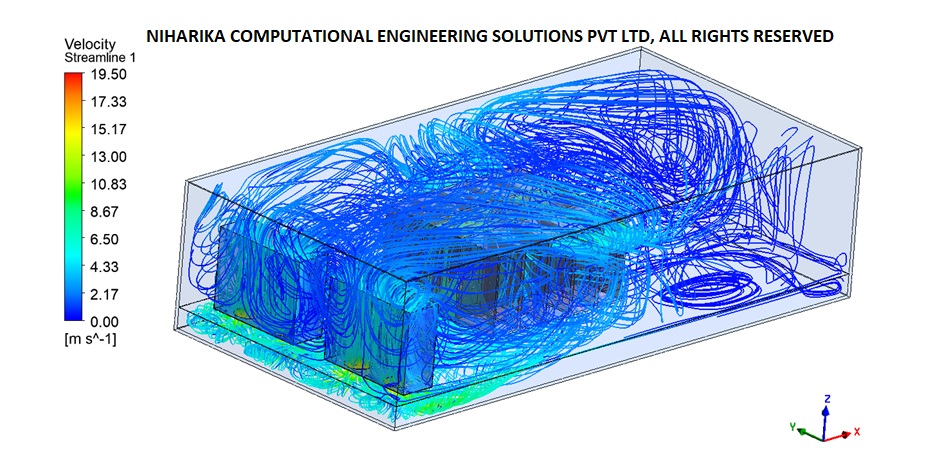
A well-structured and uniformly distributed flow field, with minimal flow recirculation and no significant vortex regions, is essential for promoting effective convective heat transfer and maintaining consistent cooling conditions within the data center. The results of the CFD analysis were evaluated by examining three-dimensional velocity streamlines throughout the computational domain, along with airflow patterns across different sectional planes. This approach provided a comprehensive understanding of the airflow distribution, velocity variations, and the overall movement of cooling air around the server racks and other critical areas. The simulation results indicated a stable and well-organized flow field, with no prominent vortex zones observed within the analyzed domain. These findings suggest that the airflow follows a favorable pattern, supporting effective heat removal and reducing the likelihood of localized thermal buildup. The analysis therefore provides valuable insight into the effectiveness of the proposed cooling arrangement and its ability to maintain suitable thermal conditions for reliable data centre operation.
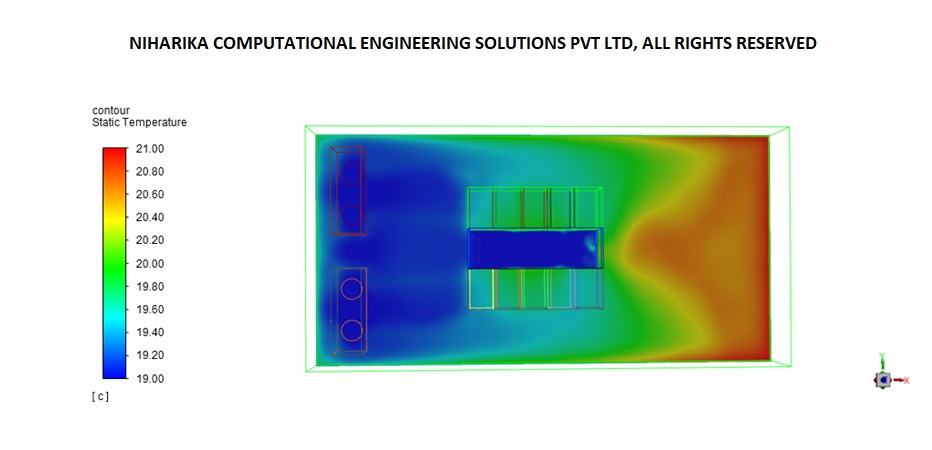
The temperature distribution in the rack area ranges from 19°C to 20°C, remaining relatively uniform throughout the surrounding region. This narrow temperature variation indicates effective cooling air distribution and suggests that the proposed cooling arrangement provides consistent thermal conditions across the rack area. The CFD results demonstrate that the rack configuration, cooling control unit (CCU) capacity, and unit placement are appropriately designed to maintain the desired cooling levels within the data center. The uniform temperature distribution also helps minimize the risk of localized thermal hotspots that could adversely affect the performance and reliability of sensitive electronic equipment. Overall, the analysis indicates that the proposed cooling system is capable of maintaining stable thermal conditions under the simulated operating parameters, supporting efficient heat dissipation and reliable data centre operation.
We Got More
Go through All Our Case Studies
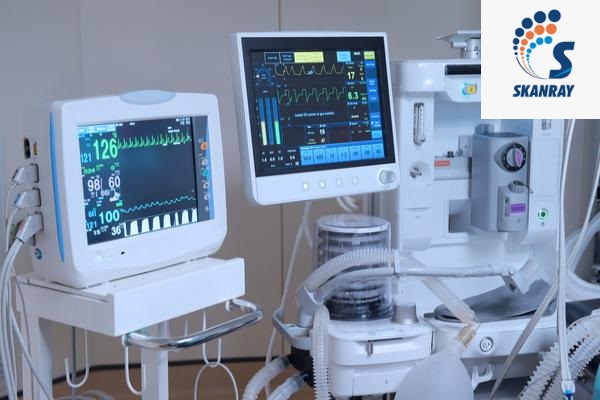
CFD analysis of closed-loop anesthesia delivery system (CLADS)
Closed loop anesthesia delivery systems are specifically engineered to automate and enhance the administration of anesthesia throughout surgical procedures. By constantly monitoring crucial indicators like oxygen levels and breathing patterns, these systems intelligently adapt the anesthesia dosage to ensure the patient receives the precise amount required at any given moment. This not only enhances the overall efficiency of the procedure but also significantly improves its safety. Read More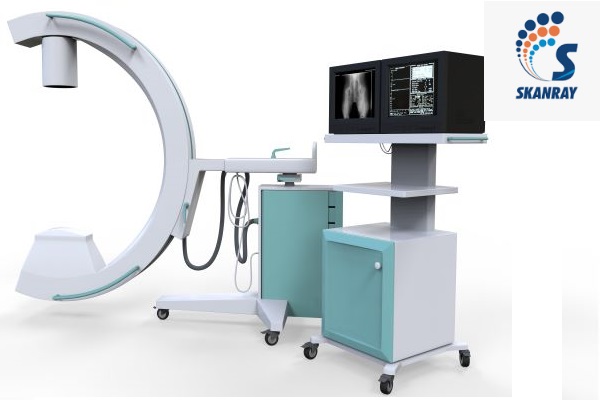
Thermal analysis of high voltage X-ray tank assembly
The client is a global medical device OEM, one of the fastest growing in this segment. The client has approached us with the existing design of the high-voltage X ray tank unit. The client is interested in understanding the heat transfer phenomena for the complete system, which enables him to make conscious engineering decisions to enhance the performance of the device. Our CFD model is validated with the experimental results. CFD model is finetuned in all possible aspects, and we ensured that it represents the actual physical phenomena. All the heat transfer paths are analyzed, and the heat balance sheet has enabled our client to take well-informed engineering designs. Read More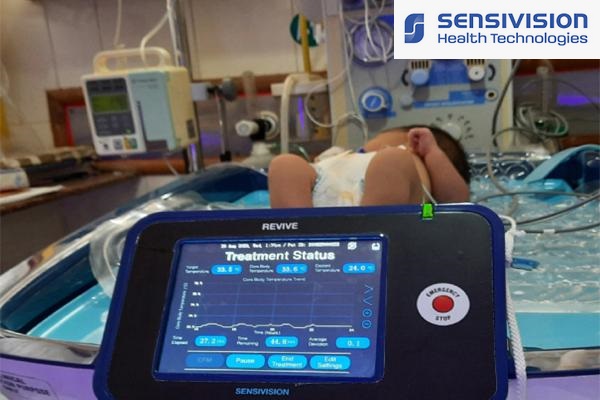
Computational fluid dynamics analysis of neonatal body temperature controller unit
The Neonatal body temperature controller, an initiative by the Government of India, aims to protect newborn babies from Hypoxic ischemic encephalopathy. Our client is working with the Government of India and the Government of Karnataka state to develop this technology for usage in Primary Health care Centers in rural and remote areas. Read More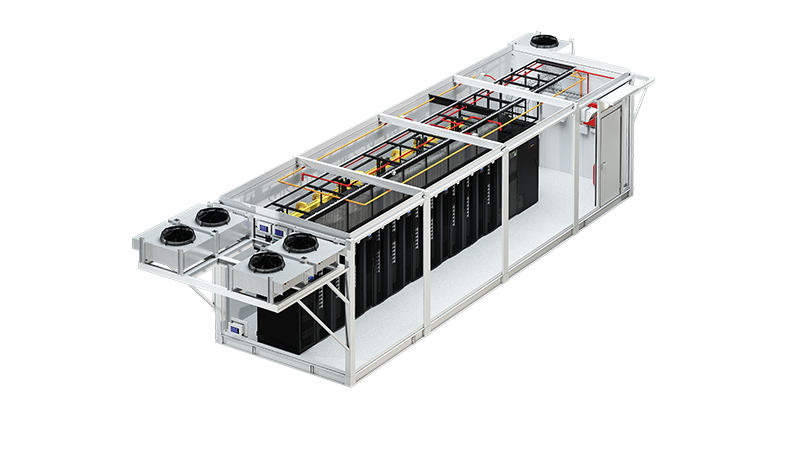
CFD analysis of Modular Data Center
Prefabricated modular data centers, often referred to as integrated modular solutions or containerized data centers, are designed to cater to specific business needs, providing a tailored and secure infrastructure that differs from conventional brick-and-mortar designs. Read More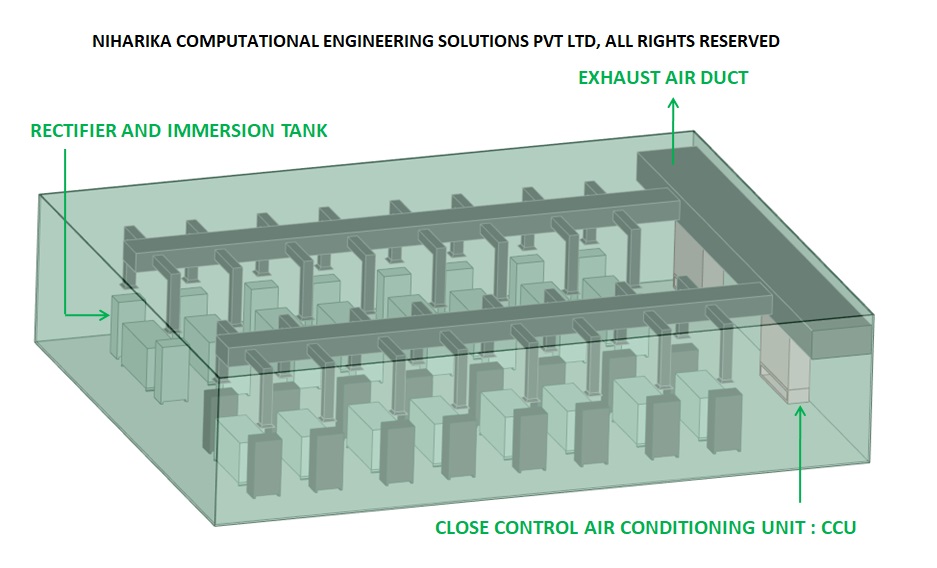
CFD analysis of Hybrid Cooled Data Center
Advanced AI and machine learning workloads are causing powerful GPUs to produce unprecedented heat levels in conventional server settings. Hybrid cooling solutions enable data center operators to manage these elevated temperatures without the need for complete retrofitting of current facilities, facilitating a gradual and cost-efficient method for incorporating liquid cooling tailored to specific high-heat applications. Read More